Less software. More adoptions.
The operating system for animal rescues
One record per animal — health, personality, photographs and the people who cared for them. Your website reads from it. Your adoption copy is written from it. Nothing gets typed twice.
Everything about an animal, in one place
Not a row in a spreadsheet. A record with the identity, the health history, the personality, the photographs, the documents and the people — each on its own tab, all on the same animal.
The bio writes itself from what you already keep
The record holds the breed, the age, the temperament, the medical picture and the notes fosters have written. That is the material an adoption bio is made of — so the bio is drafted from it, rather than from a blank box at the end of a long day.
Nothing reaches your website half-finished
A listing with no photograph, no bio, or nowhere to meet the animal is a listing nobody can act on. The record knows that and says so — in plain words, on the animal, before anyone publishes.
A real website, not another profile page
Your own domain, your own colours, your own words — built by dragging sections into place. Your adoptable animals appear on it, read from the same record your team is already keeping.
Publish once, and the listing sites follow
Connect RescueGroups once, and every animal you publish goes out through it — to Petfinder, Adopt-a-Pet, the ASPCA, Chewy and the rest of the network it feeds. Built from the same record as your own site, so the two can never disagree about an animal.
Open it and see what actually needs you
Applications waiting on a decision, contracts waiting on a signature, vet visits a foster asked for that nobody has arranged yet — counted, named, and linked to the thing they are about.
Most of this work does not happen at a desk
It happens in a car, at a vet’s counter, in somebody’s kitchen. The same app answers on a phone — laid out for the screen, not shrunk onto it.
Made for how the work actually happens
Languages the interface runs in
Your team overseas reads the interface in their own language. Most animal-rescue software assumes everyone works in English.
Record per animal
An animal is written once. The dashboard, your own website and the adoption page are all reading the same record.
Developers
Your website is built by dragging sections into place. A coordinator can change it without asking anyone.
Questions animal rescues ask us
What is Paws & Effect?
Management software for animal rescues. Every animal has one record — health, personality, photographs, documents and the people who cared for them — and your dashboard, your own website and your adoption listings all read from that one record.
Can we use our own domain?
Yes. Your website can run on your own domain, or on a subdomain of ours until you are ready to move it across. Either way the site is yours to edit.
Will our animals appear on Petfinder and Adopt-a-Pet?
Yes, through RescueGroups. Connect the account once and every animal you publish is carried out to the network it feeds, Petfinder and Adopt-a-Pet among them. Both of those want an account of their own before RescueGroups can export to them.
Do we need a developer to build our website?
No. The site is built by dragging sections into place, and a coordinator can change it without asking anyone.
What languages does it run in?
There are 23, among them Spanish, Punjabi, Chinese, Hindi and Arabic. Each person reads the interface in their own language, and what your team writes is translated for them too.
Does Paws & Effect work on a phone?
Yes. The same application answers on a phone, laid out for the screen rather than shrunk onto it — which is where a good deal of rescue work actually happens.
Animals looking for homes
ANORA — GWARP — Doberman Pinscher · Adult — A gentle giant who survived a brutal street attack in Azerbaijan, and came through it still loving other dogs, cats and people.
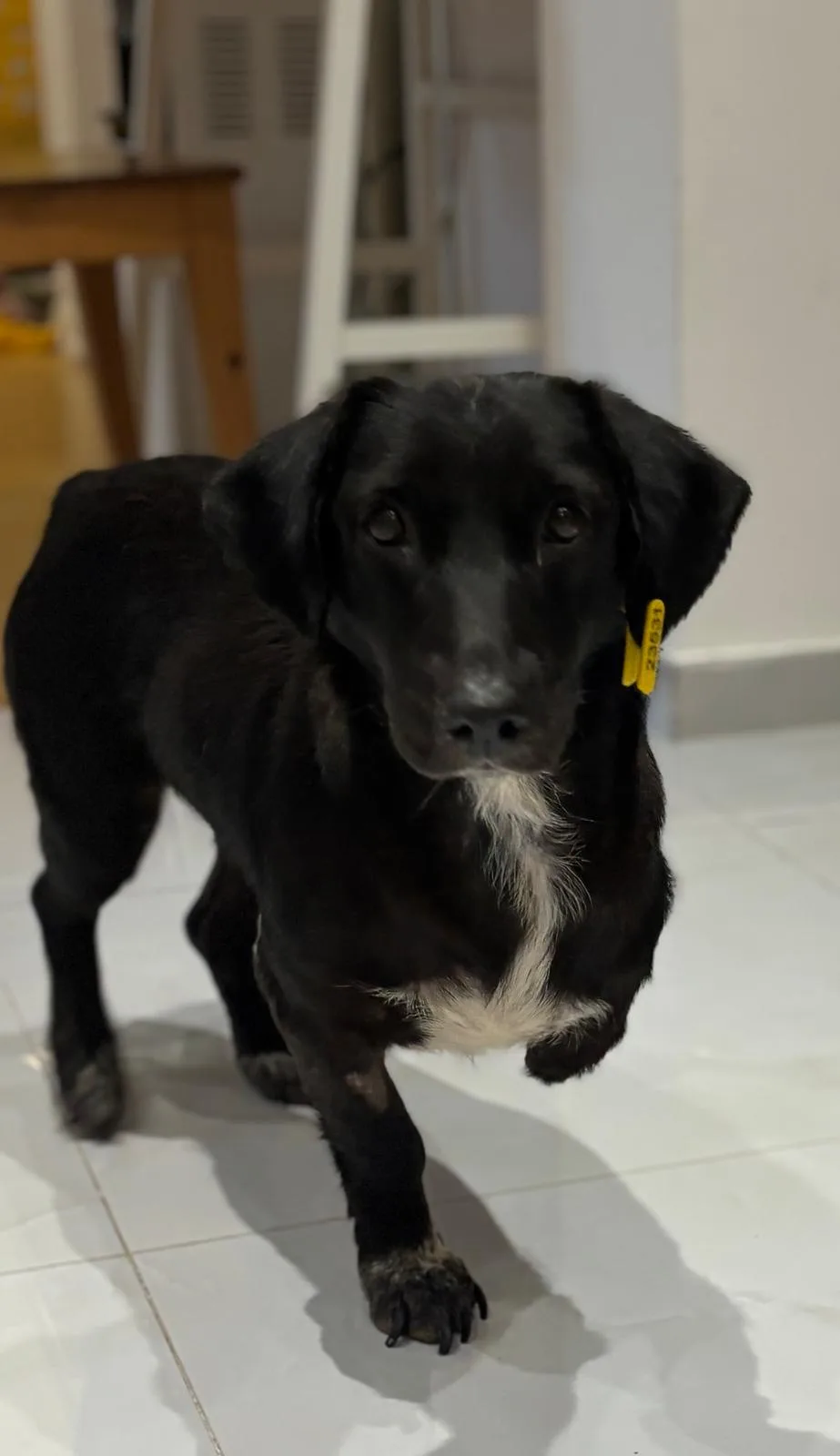 Sana — GWARP — Dachshund · 18 months — Meet Sana: Three Legs, a Big Heart, and a Whole Lot of Love!
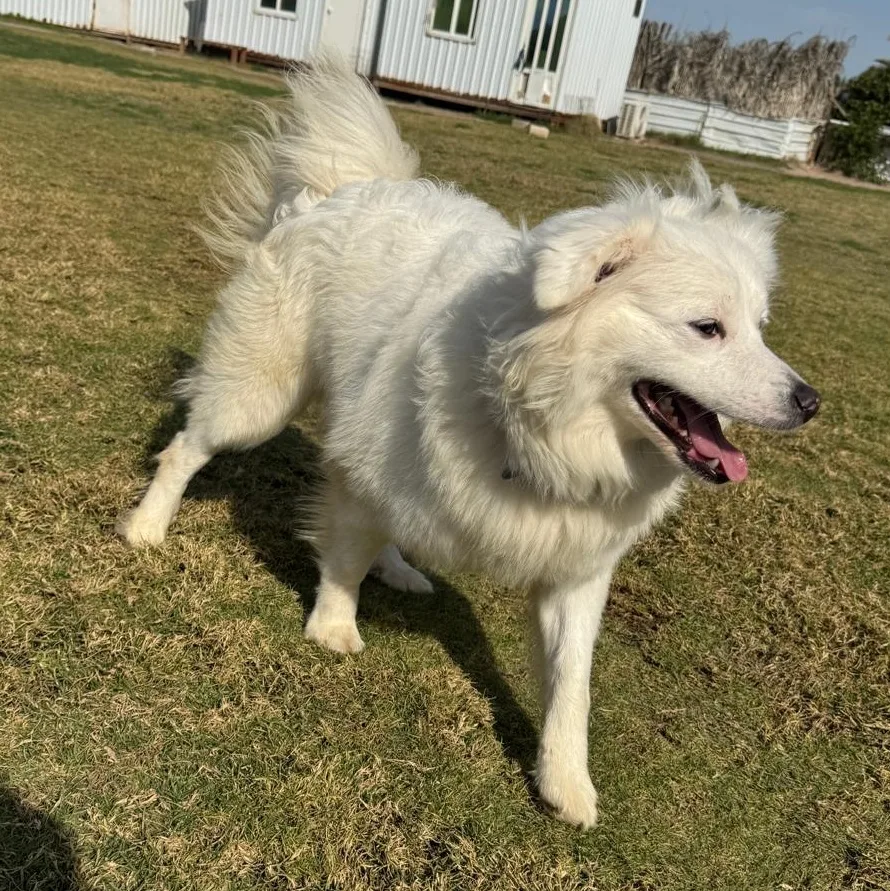 Champ — GWARP — Spitz Mix · 3 years — A handsome Spitz from Kuwait
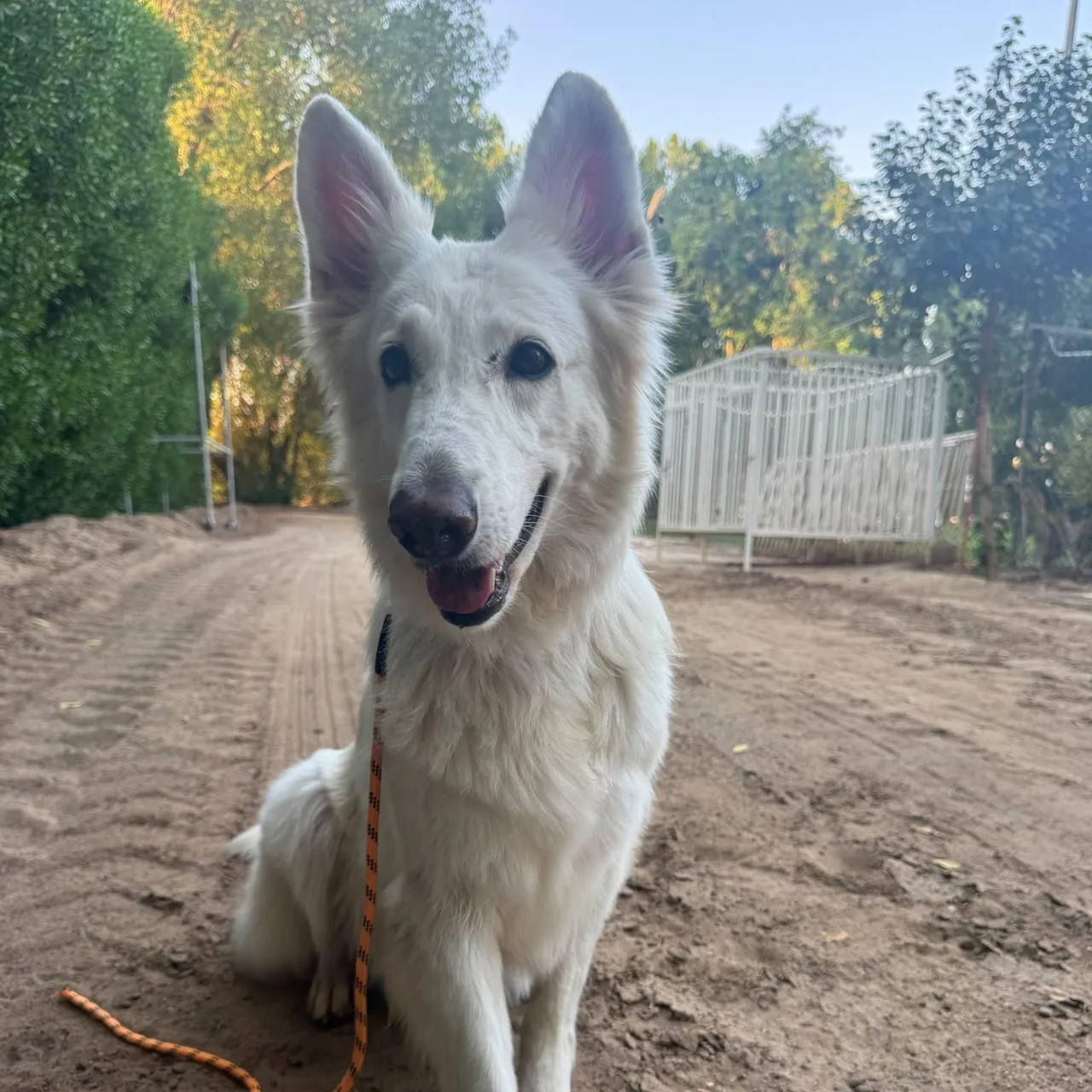 Jennie — GWARP — White German Shepherd · 5.5 Yrs — Gorgeous white German Shepherd from Kuwait!
ROXY — GWARP — Doberman Pinscher · 6 years — A six-year-old Doberman with endless patience: a rockstar with children, easy with dogs and cats, and ready for a warm bed of her own.
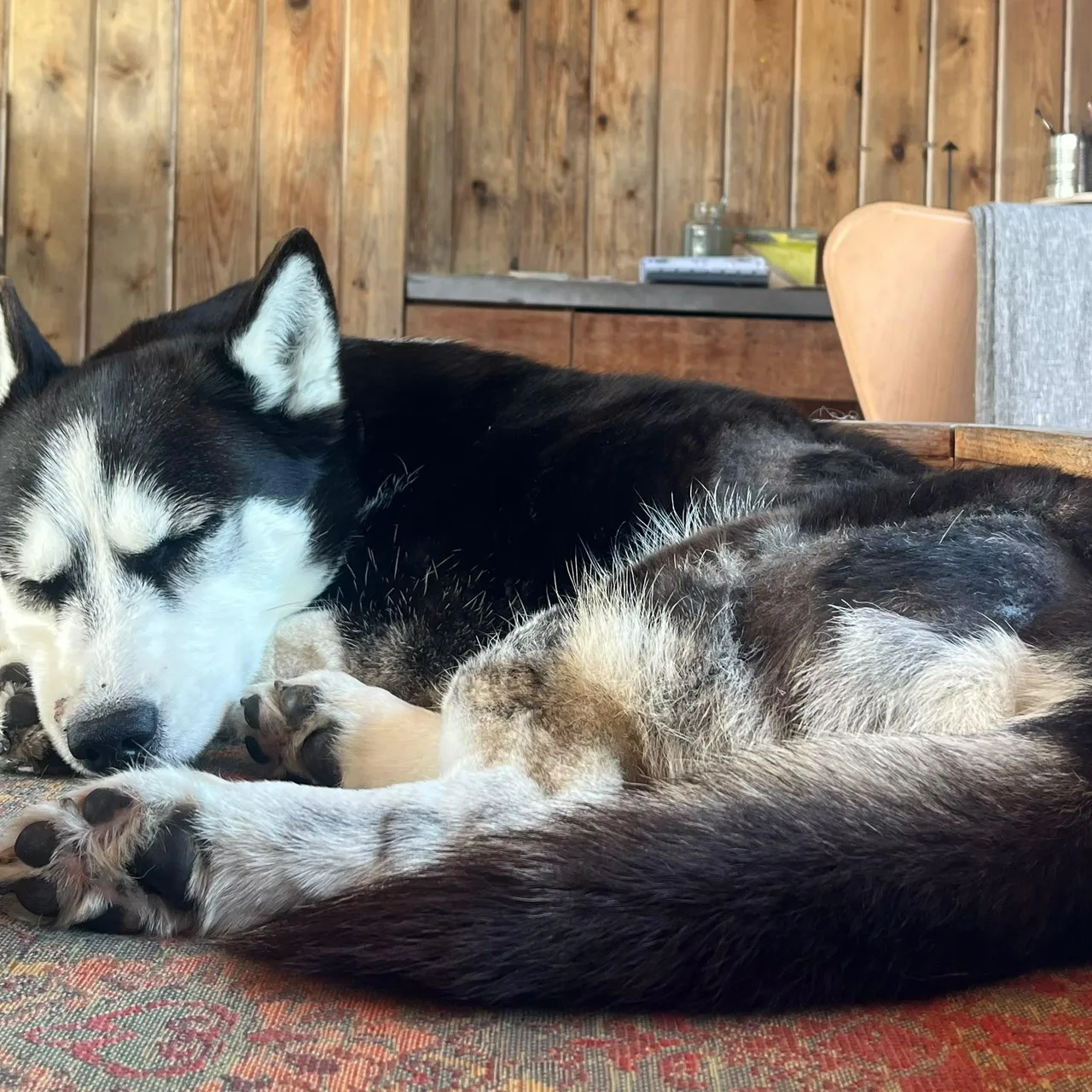 SHEERA — GWARP — Husky · 4 years — A loyal and playful 4-year-old black husky, friendly and energetic.